

Copyright vs. Trademark: Understanding the Differences and Why They Matter
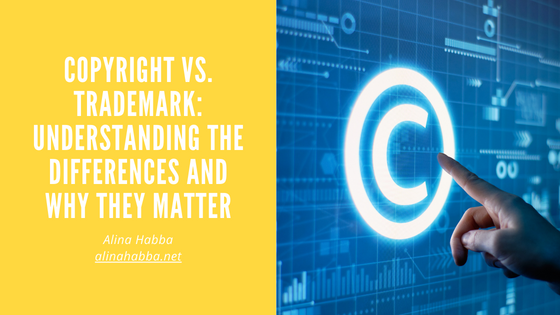
In the vast landscape of intellectual property, two terms often cause confusion: copyright and trademark. While both are crucial for protecting creative works, they serve distinct purposes and cover different aspects of intellectual property law. Understanding the differences between copyright and trademark is essential for creators, businesses, and individuals alike to safeguard their creations and brands effectively.
Copyright: Preserving Creative Expression
Copyright is primarily concerned with protecting original works of authorship. This includes literary works, music, artistic creations, and other forms of creative expression. When an individual or entity holds a copyright, they have exclusive rights to reproduce, distribute, perform, and display their work. This protection encourages creativity by ensuring that creators can benefit from their efforts.
For instance, a novelist holds the copyright to their book, granting them control over its reproduction and distribution. This means others cannot reproduce or distribute the book without the author’s permission.
Trademark: Safeguarding Brand Identity
On the other hand, trademarks are designed to protect symbols, names, slogans, and other elements that distinguish goods and services in the marketplace. Trademarks are crucial for businesses to establish and maintain brand identity. They help consumers identify and differentiate products and services in a crowded market.
Consider the iconic swoosh symbol of Nike or the golden arches of McDonald’s. These symbols are trademarks, and they play a pivotal role in building brand recognition and loyalty. Trademark protection prevents others from using similar marks that could cause confusion among consumers.
Key Differences
The primary distinction between copyright and trademark lies in the nature of what they protect. Copyright safeguards creative works, while trademarks protect elements that identify and distinguish goods and services in commerce. Copyright is automatic upon the creation of a work, while trademarks require registration with the appropriate authorities.
Another crucial difference is the duration of protection. Copyright protection typically lasts for the life of the author plus a certain number of years (e.g., 70 years in many jurisdictions). Trademarks, on the other hand, can be renewed indefinitely as long as they are actively used and properly maintained.
Why It Matters
Understanding the difference between copyright and trademark is vital for creators and businesses to navigate the complex world of intellectual property. Misunderstanding these concepts can lead to inadequate protection or, in some cases, legal disputes. For example, a business might invest significant resources in building a brand only to discover that a similar trademark already exists, resulting in potential legal challenges.
In conclusion, whether you are a creative individual or a business owner, grasping the distinctions between copyright and trademark is essential. By doing so, you can ensure proper protection for your creative works and establish a strong brand presence in the marketplace. Ultimately, being well-versed in intellectual property law empowers individuals and businesses to thrive in a world where innovation and branding are key drivers of success.
BusinessMore posts from Alina Habba
View posts
Creating a Culture of Inclusivity: The Role of Leadership in Promoting Diversity in the Workplace
Alina Habba · In today’s dynamic and globalized business landscape, diversity and inclusion have become key drivers of organizational success. Companies are recognizing that embracing a diverse workforce not only reflects societal values but also enhances creativity, innovation, and overall bu ...

How Women In Leadership Roles Are Breaking Barriers
Alina Habba · In recent years, there has been a significant shift in the landscape of leadership, with women increasingly breaking through traditional barriers to assume influential roles across various sectors. This surge in female leadership is not only a testament to the resilience and dete ...

The Supreme Court’s Impact on American Law: Landmark Cases and Decisions
Alina Habba · The Supreme Court of the United States, the highest judicial body in the nation, plays a pivotal role in shaping American law. Through landmark cases and decisions, the Court interprets the Constitution, resolves legal disputes, and establishes precedents that have far-reaching c ...
Articles from Alina Habba
View blog
Proper legal documentation and record-keeping are essential in both business and personal matters. T ...

Receiving an unfavorable court decision can be frustrating and disheartening, but it’s not always th ...

Artificial Intelligence (AI) transforms businesses’ operations, offering innovative solutions to imp ...
You may be interested in these jobs
-
AI Solutions
3 weeks ago
TransPerfect New York+The Business Development Director (AI Solutions) will focus on developing new business relationships and act as a strategic customer partner within the AI Solutions group (DataForce). DataForce is a rapidly growing service offering high-quality data for Human Machine Interaction ...
-
Principal Product Manager
1 month ago
Adobe San Francisco, CAWe're on a mission to hire the very best and are committed to creating exceptional employee experiences where everyone is respected and has access to equal opportunity. · Continuously monitor and evaluate updates from leading AI companies (Google, OpenAI, Anthropic, Meta, Midjour ...
-
Project Leader
1 week ago
MITRE McLeanMITRE is seeking an experienced Project Lead to support an office in the Deputy Secretary of War office and work with other projects that support the Under Secretary of War for Research and Engineering. · We are seeking an experienced MITRE Project Lead that will work with the su ...
Comments