

Creating a Culture of Inclusivity: The Role of Leadership in Promoting Diversity in the Workplace
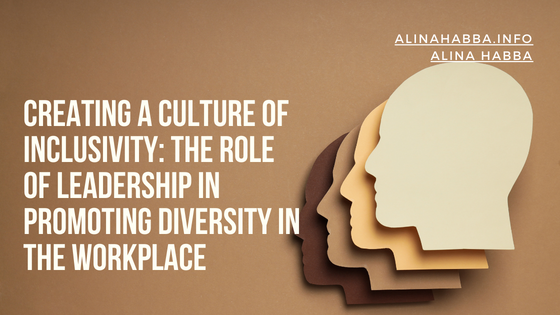
In today’s dynamic and globalized business landscape, diversity and inclusion have become key drivers of organizational success. Companies are recognizing that embracing a diverse workforce not only reflects societal values but also enhances creativity, innovation, and overall business performance. At the heart of fostering diversity lies effective leadership, which plays a pivotal role in creating an inclusive workplace where employees from various backgrounds can feel valued and empowered.
Leadership helps to set the tone for an organization’s culture, and when it comes to promoting diversity, it starts with a commitment from the top. Leaders need to actively champion diversity and inclusion, making it a core part of the company’s mission and values. This commitment should be evident not only in words but also in actions, as employees look to their leaders for guidance on acceptable behavior and attitudes.
One crucial aspect of leadership in promoting diversity is creating equal opportunities for all employees. Leaders should strive to eliminate biases in hiring, promotion, and decision-making processes. This requires implementing inclusive policies and practices that ensure a level playing field for all employees, regardless of gender, race, ethnicity, or other characteristics. By doing so, leaders demonstrate their dedication to building a workforce that represents the diverse world we live in.
Effective communication is another key leadership trait in promoting diversity. Leaders must foster open and transparent communication channels that encourage employees to express their unique perspectives and ideas. By actively listening to diverse voices, leaders can gain valuable insights that contribute to a more innovative and inclusive workplace. Additionally, leaders should communicate the importance of diversity to the entire organization, emphasizing the positive impact it has on both individual and collective success.
Leading by example is a powerful way for leaders to influence organizational culture. When leaders actively engage with diversity initiatives and participate in diversity training, they send a clear message that embracing differences is not just a policy but a shared value. This authenticity builds trust and encourages employees to embrace diversity in their own interactions, fostering a culture of respect and understanding.
Promoting inclusivity also requires leaders to address unconscious biases within the organization. By providing training and resources that raise awareness of these biases, leaders can create an environment where employees are more mindful of their actions and decisions. This self-awareness is crucial for building a workplace where diversity is not only celebrated but woven into the fabric of daily operations.
Leadership plays a critical role in helping to promote diversity and inclusivity in the workplace. By making a genuine commitment to diversity, creating equal opportunities, fostering open communication, leading by example, and addressing unconscious biases, leaders can contribute to building a workplace where all individuals feel valued and empowered. In doing so, organizations not only enhance their competitiveness but also contribute to a more equitable and harmonious society.
Originally posted on alinahabba.info.
BusinessMore posts from Alina Habba
View posts
The Future of Law: Navigating Emerging Trends and Predictions for the Legal Profession
Alina Habba · In the constantly changing landscape of the legal profession, the future holds a myriad of possibilities, shaped by emerging trends that are reshaping the way legal services are delivered, accessed, and understood. As we stand on the precipice of a new era, it’s imperative to exp ...

Mastering Strategic Thinking: A Blueprint for Long-Term Leadership Success
Alina Habba · In the ever-evolving landscape of business, leaders face the formidable challenge of steering their organizations toward long-term success. Strategic thinking, a crucial skill for effective leadership, enables leaders to anticipate future trends, make informed decisions, and posi ...

How Women In Leadership Roles Are Breaking Barriers
Alina Habba · In recent years, there has been a significant shift in the landscape of leadership, with women increasingly breaking through traditional barriers to assume influential roles across various sectors. This surge in female leadership is not only a testament to the resilience and dete ...
Articles from Alina Habba
View blog
Contracts play a crucial role in ensuring that parties uphold their obligations in both business and ...

Navigating legal issues can be intimidating, especially when considering the possibility of a courtr ...

Proper legal documentation and record-keeping are essential in both business and personal matters. T ...
You may be interested in these jobs
-
+Job summary · A field culture manager assesses jobsite culture and worker engagement to develop programs to cultivate work environments that eliminate hate and bias. They elevate worker experiences, promote inclusiveness, respect in every project site office meeting.Elevate work ...
Columbus, OH1 month ago
-
The Human Resources Specialist position at the U.S. Army Reserves plays a crucial role in managing and supporting the administrative functions of the organization. · ...
2 weeks ago
-
We are seeking a dedicated Human Resources Generalist to join our team in Foreman, AR. This role offers an exciting opportunity for an experienced HR professional to make a tangible impact within a manufacturing environment. · Promoting and maintaining a positive workplace cultur ...
1 week ago
Comments