



rose fox
Arizona City, Pinal
rose fox
1 year ago
Navigating the Complexities of Medical Claims Management and Practice Management in Healthcare

In the ever-evolving landscape of healthcare, efficient management of medical claims management and practice operations is crucial for ensuring the financial viability and operational success of healthcare providers. Both medical claims management and practice management play vital roles in the smooth functioning of healthcare practices, impacting everything from patient satisfaction to financial health. This article delves into the key aspects of medical claims management and practice management, providing insights into best practices, challenges, and emerging trends.
Key Components of Medical Claims Management:
- Claim Submission: Accurate and timely submission of claims to insurance companies is the first step in the process. This involves coding diagnoses and procedures correctly, ensuring all required documentation is included, and adhering to payer-specific guidelines.
- Claims Processing: Once submitted, claims are reviewed by the insurance payer for accuracy and completeness. This stage may involve communication between the healthcare provider and the payer to resolve any discrepancies or additional information requests.
- Denials and Appeals: Claims may be denied or rejected due to errors, missing information, or policy issues. Effective healthcare claims management includes identifying the reasons for denials, rectifying the issues, and resubmitting or appealing claims as necessary.
The Role of Practice Management
Practice management encompasses the broader scope of administrative and operational tasks involved in running a healthcare practice. It involves the day-to-day activities required to keep the practice running smoothly and efficiently.
Core Aspects of Practice Management:
- Patient Scheduling: Effective scheduling ensures optimal use of resources and minimizes patient wait times. It involves managing appointment slots, handling cancellations, and coordinating with other healthcare providers.
- Staff Management: Hiring, training, and managing staff are essential for maintaining high standards of patient care and operational efficiency. This includes managing roles, responsibilities, and performance.
- Financial Management: Practice management involves budgeting, financial planning, and managing expenses. Ensuring profitability while providing quality care requires careful financial oversight and strategic planning.
0 likes · 0 comments
Lifestyle Facebook
  X
X  Linkedin
  Whatsapp
 rose fox
1 year ago
Why Do Hospitals and Clinics Require Medical Billing Software?
In the United States, healthcare is a sophisticated, multi-layered maze with ever-changing regulations. Compliance with current standards necessitates a lengthy process involving a plethora of paperwork, insurance claims, payments, medical coding, and so on. All of these operations require time and effort, not to mention dedicated personnel. Mistakes in any of the preceding stages result in income loss, rework, and harsh bureaucracy.
One of the early applications of healthcare technology was medical practice management solutions. It aids the healthcare industry in one of the most important aspects of its operations: revenue. It substitutes highly interactive, user-friendly workflows for traditional manual activities, saving time and money. As a result, clinicians have more time to visit patients, resulting in dramatically shorter wait times. To summarize, medical billing and coding practice software is an essential component of any healthcare facility. The correct one can help your organisation generate more income and benefit all stakeholders.
Efficient claims are the foundation of every solutions practice management consistent revenue flow. Entering patient information, formalities, submission, tracking, and so on are all part of the claims procedure. It is, unsurprisingly, a very bureaucratic operation that is frequently prone to errors, delays, and denials.
As a result, any medical practice management billing software or customised healthcare provider solutions must include a claims management capability.
It would be a win-win situation for all parties involved.
- Providers, as they’ll have expedited revenues,
- Patients can receive treatments faster, and
- Payers since their workflows would be optimized.
0 likes · 0 comments
Musicrose fox
1 year ago
Transforming Healthcare Sustainability: The Role of Medical Waste Management Software

In the realm of modern healthcare, the management of medical waste management as a crucial yet often overlooked aspect of operations. From hospitals to clinics, laboratories to research facilities, the responsible disposal of medical waste is not only a legal requirement but also a moral imperative to protect public health and the environment. In recent years, the advent of medical waste management software has revolutionized this process, offering healthcare facilities a comprehensive solution to handle, track, and dispose of medical waste efficiently and responsibly.
The Challenge of Medical Waste
Medical waste management services a wide range of materials that pose potential health risks if not properly handled and disposed of. These can include infectious waste like used needles and syringes, pathological waste such as tissues and organs, pharmaceutical waste, and even radioactive materials from diagnostic and therapeutic procedures. Each category requires specific handling procedures to minimize risks to healthcare workers, patients, and the environment.
Enter Medical Waste Management Software
To address these challenges, medical waste management software has emerged as a powerful tool for healthcare facilities. This software integrates advanced technologies to streamline every aspect of medical waste management:
- Tracking and Documentation: Software platforms enable real-time tracking of waste from generation to final disposal. This ensures compliance with regulatory requirements and provides a transparent audit trail.
- Inventory Management: Facilities can manage their waste inventory efficiently, minimizing overstocking and ensuring timely disposal of waste before it becomes a compliance issue.
- Safety Protocols: By providing detailed guidelines and training resources, software helps staff adhere to safety protocols during waste handling, reducing the risk of accidents and exposure.
0 likes · 0 comments
Poetryrose fox
1 year ago
Enhancing Healthcare Efficiency with EHR Integration Software

In the fast-paced world of modern healthcare, efficiency and accuracy are paramount. Electronic Health Records (EHRs) have revolutionized patient care by digitizing medical records, but their true potential is unlocked through integration with specialized software systems. EHR integration software bridges gaps between disparate healthcare technologies, streamlining workflows, improving patient outcomes, and enhancing overall operational efficiency.
Streamlining Workflows and Enhancing Coordination
One of the primary benefits of Allscripts EHR Integration is its ability to streamline workflows across different departments within a healthcare organization. By connecting EHR systems with other software solutions such as practice management systems, billing systems, and telemedicine platforms, healthcare providers can automate administrative tasks, reduce duplication of effort, and ensure seamless data flow between various points of care.
For example, integrated software can enable clinicians to access patient records directly from within their electronic health records, eliminating the need for manual data entry or searching through multiple systems. This not only saves time but also reduces the risk of errors that can occur during data transfer.
Improving Patient Care and Safety
Another significant advantage of EHR integration api is its impact on patient care and safety. Integrated systems allow healthcare providers to access comprehensive patient histories, including medication lists, allergies, lab results, and imaging reports, in real-time. This access to accurate and complete information enables clinicians to make timely and well-informed decisions, leading to safer and more personalized care.
For instance, during a patient visit, a physician can quickly review recent test results or specialist consultations directly through the integrated EHR system. This immediate access to critical information can prevent adverse drug interactions, unnecessary tests, and delays in treatment, thereby enhancing patient safety and satisfaction.
0 likes · 0 comments
Musicrose fox
1 year ago
Transforming Healthcare: The Role of Healthcare Software Developers and EHR Integration Software
In the dynamic landscape of modern healthcare, technology plays a pivotal role in enhancing patient care, streamlining operations, and improving overall efficiency. At the heart of this technological revolution are healthcare software developers and EHR integration software.
The Role of Healthcare Software Developers
Healthcare software developers are the architects behind the innovative tools and systems that healthcare providers rely on daily. They design, develop, and maintain software applications tailored to the unique needs of healthcare organizations, ranging from hospitals and clinics to specialized care facilities.
Creating Custom Solutions
One of the primary responsibilities of healthcare software developers is to create custom solutions that address specific challenges within healthcare settings. This could involve developing electronic medical record (EMR) systems, patient management software, telehealth platforms, or mobile applications that facilitate remote monitoring and communication between patients and healthcare professionals.
The Role of EHR Integration Software
EHR integration solutions acts as a bridge between different healthcare systems, enabling the exchange of patient information securely and efficiently. Here’s how EHR integration software contributes to the healthcare ecosystem:
Streamlining Workflows

EHR integration software helps streamline workflows by eliminating the need for manual data entry and reducing duplication of efforts. This allows healthcare providers to focus more on patient care rather than administrative tasks.
Future Trends and Challenges
In conclusion, healthcare software developer and EHR integration software play indispensable roles in advancing the quality, efficiency, and accessibility of healthcare services. Their collaborative efforts are instrumental in driving innovation and improving patient outcomes in an increasingly digital healthcare environment. As technology continues to evolve, so too will the transformative impact of these dedicated professionals on the future of healthcare.
0 likes · 0 comments
Poetryrose fox
1 year ago
Electronic Data Exchange: Streamlining Communication in the Digital Age

In today's interconnected world, the efficient exchange of information is critical for businesses and organizations to thrive. Electronic Data Exchange (EDI) emerges as a cornerstone of modern commerce, revolutionizing how data is transmitted and processed between trading partners. This article explores the significance, benefits, and future trends of EDI in transforming business communication.
What is Electronic Data Exchange (EDI)?
Electronic Data Interchange, refers to the structured transmission of data between computer systems without human intervention. It replaces traditional methods like mail, fax, or email with standardized electronic formats, ensuring seamless and rapid exchange of business documents. Common documents exchanged via EDI include purchase orders, invoices, shipping notices, and payment confirmations.
The Significance of EDI:
Efficiency and Speed: One of the primary advantages of EDI is its ability to streamline processes and reduce turnaround times. By automating data entry and validation, EDI eliminates manual errors and accelerates transaction cycles. This efficiency is crucial in industries like retail, manufacturing, and logistics, where rapid order processing and inventory management are essential.
Cost Reduction: Adopting EDI can lead to significant cost savings by reducing paperwork, postage, and labor associated with manual data entry and processing. Organizations can reallocate resources towards strategic initiatives rather than routine administrative tasks.
Accuracy and Reliability: EDI enhances data accuracy by minimizing the risks of transcription errors inherent in manual data entry. Moreover, it ensures data integrity through encryption and secure transmission protocols, safeguarding sensitive information.
Enhanced Practice management : EDI promotes better collaboration between trading partners by establishing a standardized format for data exchange. This standardization fosters clearer communication, improves supply chain visibility, and strengthens business relationships.
0 likes · 0 comments
Foodrose fox
1 year ago
Ensuring HIPAA Compliance: The Vital Role of Software in Custom Medical Waste Management Services

In today's increasingly digitized healthcare landscape, the need for robust HIPAA compliant software solutions is paramount, especially in specialized areas like medical waste management. Healthcare providers and facilities must not only adhere to stringent regulations but also manage sensitive patient information securely while handling biomedical waste responsibly. This article explores the intersection of HIPAA compliance and custom medical waste management services, emphasizing the crucial role of tailored software solutions in achieving both efficiency and regulatory adherence.
Understanding HIPAA Compliance
The Health Insurance Portability and Accountability Act (HIPAA) sets national standards for the protection of individuals' medical records and personal health information (PHI). For healthcare providers, compliance with HIPAA software compliance is non-negotiable. Any entity that deals with PHI must ensure that the data is safeguarded against unauthorized access, breaches, or mishandling.
Challenges in Medical Waste Management
Medical waste encompasses a broad range of materials that require specialized handling to prevent environmental contamination and ensure public safety. Proper segregation, packaging, transportation, and disposal of medical waste are essential to mitigate risks associated with infectious materials and hazardous substances. Compliance with federal, state, and local regulations is crucial to avoid penalties and maintain public health standards.
Role of HIPAA-Compliant Software
- Secure Data Management: Software systems encrypt PHI, ensuring that patient information remains confidential and protected from unauthorized access. Access controls and audit trails further enhance security by tracking who accesses patient data and when.
- Documentation and Reporting: Automated documentation capabilities streamline compliance efforts by generating comprehensive reports and audit logs. This simplifies the process of demonstrating compliance during regulatory inspections.
- Workflow Optimization: Customizable workflows cater to specific needs of medical waste management, from scheduling pickups to tracking waste from point of generation to final disposal. This enhances operational efficiency and reduces the likelihood of errors.
0 likes · 0 comments
Lifestylerose fox
1 year ago
Integrating EHR Software: Enhancing Healthcare Efficiency and Patient Care

In today's digital age, EHR integration api have revolutionized the healthcare industry by streamlining patient information management. However, the full potential of EHRs is realized when they seamlessly integrate with other systems and software used across healthcare organizations. This integration not only enhances operational efficiency but also significantly improves the quality of patient care.
The Need for Integration
Healthcare providers operate in a complex ecosystem where various systems—such as billing, scheduling, laboratory information, and telehealth platforms—must work together to deliver comprehensive care. EHR integration software serves as the linchpin that connects these disparate systems, ensuring that critical patient data flows smoothly between them.
Benefits of EHR Integration Software
Unified Patient Records: Integrating EHRs with other systems consolidates patient data into a single, comprehensive record accessible across different departments and facilities. This unified view allows healthcare providers to make more informed decisions and deliver coordinated care.
Improved Efficiency: By automating data transfer and reducing manual entry, integration software eliminates redundancy and errors associated with duplicate data entry. This efficiency not only saves time but also minimizes the risk of inaccuracies in patient records.
Enhanced Patient engagement: Seamless integration enables faster access to patient information, which translates into shorter wait times, quicker diagnoses, and more personalized treatment plans. Patients benefit from a smoother healthcare journey and improved satisfaction with their care.
Support for Clinical Decision-Making: Integrated EHR systems provide clinicians with real-time access to comprehensive patient data, including lab results, imaging reports, and medication history. This availability enhances clinical decision-making and supports timely interventions.
Interoperability: As healthcare organizations increasingly adopt interoperability standards, EHR integration software plays a crucial role in facilitating data exchange between different systems and providers. This interoperability is essential for continuity of care and patient safety.
0 likes · 0 comments
Humorrose fox
1 year ago
Unlocking Secure Healthcare: Exploring HIPAA Compliant Software Solutions and Allscripts EHR

In the ever-evolving landscape of healthcare, the safeguarding of patient information stands as a paramount concern. With the rise of digitalization, Electronic Health Records (EHR) have become the cornerstone of modern medical practice. However, alongside this digital revolution comes the crucial need for compliance with regulations such as the Health Insurance Portability and Accountability Act (HIPAA). In this article, we delve into the significance of HIPAA compliant software solutions, with a particular focus on Allscripts EHR.
Understanding HIPAA Compliance
HIPAA, enacted in 1996, aims to protect sensitive patient data from being disclosed without the patient's consent or knowledge. It sets the standard for the protection of electronic personal health information (ePHI). Compliance with HIPAA is not just a legal obligation but also a moral imperative to ensure patient trust and confidentiality.
The Importance of HIPAA Compliant Software Solutions
In the digital age, healthcare providers increasingly rely on software solutions to manage patient records efficiently. HIPAA compliant software solutions play a pivotal role in ensuring that patient data remains secure throughout its lifecycle. These solutions offer robust encryption, access controls, audit trails, and regular security updates to mitigate the risk of data breaches.
Allscripts EHR: A Comprehensive Solution
Among the array of EHR systems available, Allscripts stands out as a leading provider of innovative healthcare technology solutions. Allscripts EHR is renowned for its user-friendly interface, interoperability, and commitment to HIPAA software compliance. Let's explore some key features of Allscripts EHR that contribute to its HIPAA compliance:
Data Encryption: Allscripts EHR employs advanced encryption algorithms to protect sensitive patient data both in transit and at rest. This ensures that even if unauthorized access occurs, the data remains indecipherable and unusable.
Access Controls: Granular access controls within Allscripts EHR allow healthcare providers to restrict data access based on roles and permissions. This ensures that only authorized personnel can view or modify patient information, thus reducing the risk of internal breaches.
0 likes · 0 comments
Lifestylerose fox
1 year ago
Enhancing Healthcare Revenue Management Through Integration of Revenue Cycle Management Software

In today's rapidly evolving healthcare landscape, the intersection of technology and healthcare management is revolutionizing the way medical institutions operate. Among the myriad of advancements, Revenue Cycle Management software and Mobile Health (mHealth) solutions stand out as crucial components in optimizing revenue generation and enhancing patient care. This article explores the integration of RCM software and mHealth technologies, elucidating their collective impact on healthcare revenue cycles and patient outcomes.
Understanding Revenue Cycle Management Software
RCM software facilitates the tracking of financial transactions in healthcare organizations, from patient registration and appointment scheduling to billing and claims processing. By streamlining administrative tasks and automating billing processes, RCM software helps healthcare providers optimize revenue generation, reduce operational costs, and improve overall financial performance.
Key features of RCM software include:
- Patient Registration and Scheduling: Efficiently manage patient information and appointments, minimizing errors and reducing wait times.
- Billing and Claims Processing: Automate billing processes, ensure accurate coding, and expedite claims submission to insurance providers.
- Revenue Analysis and Reporting: Generate comprehensive reports to analyze revenue streams, identify bottlenecks, and optimize financial performance.
- Compliance and Regulations: Ensure adherence to healthcare regulations and compliance standards, minimizing the risk of audits and penalties.
0 likes · 0 comments
Healthrose fox
1 year ago
Empowering Patients: The Role of Healthcare Software Developers in Patient Engagement

In the rapidly evolving landscape of healthcare, patient engagement has emerged as a crucial factor in improving health outcomes and enhancing the overall quality of care. At the heart of this paradigm shift are healthcare software developers, who play a pivotal role in creating innovative solutions that empower patients to take an active role in managing their health.
Understanding Patient Engagement
Patient engagement software refers to the involvement of patients in their own healthcare journey, from making informed decisions about treatment options to actively participating in disease prevention and management. Engaged patients are more likely to adhere to treatment plans, communicate effectively with healthcare providers, and achieve better health outcomes.
The Role of Healthcare Software Developers
Healthcare software developers are at the forefront of driving patient engagement through the creation of intuitive, user-friendly digital solutions. These developers leverage cutting-edge technologies and industry best practices to develop platforms and applications that empower patients and enhance their healthcare experience.
Key Strategies for Patient Engagement
Patient Portals: Patient portals serve as a centralized hub for accessing medical records, scheduling appointments, and communicating with healthcare providers. Healthcare software developers design intuitive portals with user-friendly interfaces, ensuring seamless navigation and access to essential health information.
Mobile Health (mHealth) Apps: Mobile health apps enable patients to monitor their health metrics, track medications, and receive personalized health recommendations on their smartphones or tablets. Developers prioritize usability and accessibility, catering to diverse patient populations and addressing specific healthcare needs.
Remote Patient Monitoring (RPM) Solutions: RPM solutions allow healthcare providers to remotely monitor patients' vital signs and health status, enabling early intervention and personalized care. Software developers integrate sensors, wearables, and telehealth technologies to create seamless monitoring experiences for patients and providers alike.
0 likes · 0 comments
Healthrose fox
1 year ago
Navigating the World of Medical Software Development: Innovating Healthcare, One Line of Code at a Time

In the intricate landscape of modern healthcare, where precision, efficiency, and accuracy are paramount, the role of healthcare software engineering stands out as a cornerstone of progress. These developers, often working behind the scenes, wield their programming prowess to create innovative solutions that streamline processes, enhance patient care, and revolutionize the way medical professionals operate. In this article, we delve into the dynamic realm of medical software development, exploring the crucial role these developers play in shaping the future of healthcare.
The Intersection of Technology and Healthcare
Gone are the days when medical practice relied solely on manual processes and paper-based records. Today, technology permeates every aspect of the healthcare industry, from electronic health records (EHR) systems to diagnostic tools and telemedicine platforms. At the heart of this technological revolution lie medical software developers, who harness the power of coding languages, data analytics, and artificial intelligence to develop software tailored to the unique needs of healthcare providers and patients alike.
Responsibilities of Medical Software Developers
The responsibilities of medical software developers encompass a broad spectrum of tasks, ranging from conceptualization and design to implementation and maintenance. These professionals collaborate closely with healthcare practitioners, software engineers, and other stakeholders to develop software solutions that address specific challenges within the healthcare domain.
Requirements Gathering: Medical software developer begin by understanding the needs and requirements of end-users, which may include physicians, nurses, administrators, and patients. They conduct thorough research to identify pain points and inefficiencies within existing healthcare systems, laying the groundwork for informed decision-making throughout the development process.
Design and Development: Armed with a deep understanding of healthcare workflows and regulations, developers embark on the design and development phase, where they translate concepts into functional software solutions. This involves coding, testing, and iterating on prototypes to ensure optimal performance, usability, and compliance with industry standards such as mHealth regulations.
0 likes · 0 comments
Musicrose fox
1 year ago
How Might Systems for Managing Healthcare Practices Help?
Medical practice involves a lot of administrative tasks, as was already mentioned. Mistakes in patient data input, medical coding, and claim submission could cost money and have an impact on how treatment is provided. Yet, by consolidating all non-clinical procedures on a digital interface, doctors can save labour expenses by utilising a practise management healthcare platform.
This reduces the likelihood of errors, quickens processes, improves financial management, and gives doctors more time to treat patients. In conclusion, practise management systems in healthcare are advantageous for patients, physicians, medical staff, and payers. It can be confusing to find medical practice management solutions if you're a professional in the medical field because so many vendors tout their products as the best. Here are some of the most important characteristics of a healthcare practice management system to take into account.
Proof of Insurance
Clinical practitioners most frequently look for this functionality in solutions practice management. This extends beyond merely maintaining and keeping insurance data. This feature would confirm the specifics of each patient's insurance coverage. This is particularly crucial because intricate plans often necessitate a quick verification process to determine whether a patient has the required coverage for specific services.
Arrangement of Appointments
Clinical efficiency is considerably increased by an appointment scheduling tool in a health practice management platform. For doctors and non-medical employees, it is simpler to browse for open slots, decide on timings, and even reschedule appointments with a few clicks.

The number of missed consultations has decreased because rescheduling appointments is now simple. No particular shows have been proven to directly worsen the health of people with long-term ailments. So, doctors absolutely require custom healthcare software solutions that have a scheduling element within a medical practice software.
Register patients
Patients who pre-register have their personal and medical data managed at their initial appointment. Pen and paper were used in the conventional method, along with hand filing. Contrarily, a patient registration function built into automated healthcare solutions to digitise patient registration aids in improved data aggregation, making it simpler to save and verify for coverage details.
0 likes · 0 comments
Healthrose fox
1 year ago
The Revolution of mHealth: Transforming Healthcare at Your Fingertips

In our fast-paced, interconnected world, technology continues to revolutionize every aspect of our lives, and healthcare is no exception. Mobile Health, or mHealth, is the amalgamation of mobile technology and healthcare services, bringing about unprecedented convenience, accessibility, and efficiency to the realm of medicine. From managing chronic conditions to promoting preventive care, mHealth is reshaping the way we perceive and engage with healthcare.
The Power of Accessibility
One of the most significant advantages of mHealth is its ability to transcend geographical barriers and bring healthcare services directly into the palms of our hands. In regions with limited access to healthcare facilities, mobile health applications serve as lifelines, connecting individuals to vital resources and information. Remote patient monitoring through wearable devices allows healthcare providers to track patients' health metrics in real-time, enabling early intervention and personalized treatment plans.
Empowering Self-Management
mHealth solutions empowers individuals to take charge of their health like never before. With a plethora of health and fitness apps readily available, users can monitor their exercise routines, track nutritional intake, and even manage mental well-being with meditation and mindfulness apps. These tools not only promote healthier lifestyles but also foster a sense of autonomy and accountability in users, encouraging them to actively participate in their well-being.
Enhancing Patient-Provider Communication
Effective communication between patients and healthcare providers is paramount for delivering quality care. mHealth facilitates seamless interaction through secure messaging platforms, teleconsultations, and virtual care services. Patients can seek medical advice, schedule appointments, and access their health records conveniently from their smartphones, eliminating the need for lengthy waiting times and physical visits to the clinic.
0 likes · 0 comments
Poetryrose fox
1 year ago
Streamlining Revenue Recovery: The Role of Denials Management Software in Healthcare

In the complex landscape of healthcare revenue cycle management, denials pose a significant challenge for providers. Denied claims not only disrupt cash flow but also increase administrative burden and hinder timely patient care. In response to these challenges, healthcare organizations are turning to innovative solutions such as denials management software to streamline operations, minimize revenue leakage, and improve financial performance.
Understanding Denials Management
Denials management refers to the process of identifying, analyzing, and resolving claim denials from payers such as insurance companies and government agencies. Denials can occur for various reasons, including coding errors, insufficient documentation, eligibility issues, and billing inaccuracies. Resolving denials promptly is crucial for maintaining revenue integrity and ensuring timely reimbursement for services rendered.
The Impact of Denials on Healthcare Providers
Denials have a significant impact on the financial health of healthcare providers. According to industry estimates, healthcare organizations in the United States lose billions of dollars annually due to denied claims. In addition to the direct financial losses, denials also consume valuable staff time and resources, diverting attention away from patient care and other critical tasks.
Moreover, unresolved denials can have downstream effects on patient satisfaction and provider-payer relationships. Delayed or incorrect billing can lead to patient confusion and frustration, eroding trust in the healthcare organization. Additionally, repeated denials may signal underlying issues with revenue cycle processes or coding practices, necessitating remedial action to prevent future errors.
The Role of Denials Management Software
Denial management solution offers a comprehensive solution for healthcare organizations to proactively identify, analyze, and address claim denials. These software platforms leverage advanced analytics, automation, and workflow management tools to streamline the denial management process and maximize revenue recovery. Key features of denials management software include:
Claim Scrubbing and Validation: Denials management software performs automated claim scrubbing and validation checks to identify potential errors or discrepancies before claims are submitted to payers. By flagging coding inaccuracies, missing information, and eligibility issues, the software helps minimize the risk of denials upfront.
0 likes · 0 comments
Musicrose fox
1 year ago
Streamlining Medical Claims Management with Mobile Health (mHealth)

In the labyrinth of modern healthcare, where administrative tasks often seem to eclipse patient care, the integration of technology has emerged as a beacon of hope. Among the myriad innovations, Mobile Health (mHealth) stands out as a transformative force, particularly in the realm of medical claims management. By harnessing the power of smartphones, wearable devices, and digital platforms, mHealth has revolutionized the way healthcare providers and insurers handle claims, offering efficiency, accuracy, and convenience like never before.
Enhanced Efficiency through Digitalization
Traditionally, medical claims management has been fraught with paperwork, manual data entry, and bureaucratic hurdles. The advent of mHealth has automated many of these processes, significantly reducing the time and resources required for claim processing. Through mobile applications and web portals, healthcare providers can now submit claims electronically, eliminating the need for physical forms and postage. This digitalization streamlines the entire claims lifecycle, from submission to adjudication, enabling faster turnaround times and improved cash flow for both providers and insurers.
Real-Time Data and Decision-Making
One of the key advantages of mHealth in medical claims software lies in its ability to provide real-time access to critical information. With mobile apps and connected devices, healthcare providers can capture and transmit patient data directly from the point of care. This instantaneous data flow enables insurers to make more informed decisions regarding claim approval, denial, or reimbursement. Moreover, by leveraging data analytics and machine learning algorithms, mHealth platforms can detect patterns of fraud, waste, and abuse, safeguarding the integrity of the claims process and reducing financial losses for payers.
Empowering Patients and Improving Transparency
In addition to benefiting healthcare providers and insurers, mHealth has the potential to empower patients and enhance transparency in the claims process. Through patient portals and mobile apps, individuals can access their medical records, track claim status, and communicate directly with their healthcare providers and insurers. This increased visibility not only fosters greater engagement and accountability but also promotes trust and satisfaction among patients. Furthermore, by providing clear, itemized statements of benefits and expenses, mHealth promotes transparency in healthcare pricing, helping patients make more informed decisions about their care.
0 likes · 0 comments
Humorrose fox
1 year ago
Bridging the Gap: The Vital Role of Healthcare Software Developers in EHR Integration
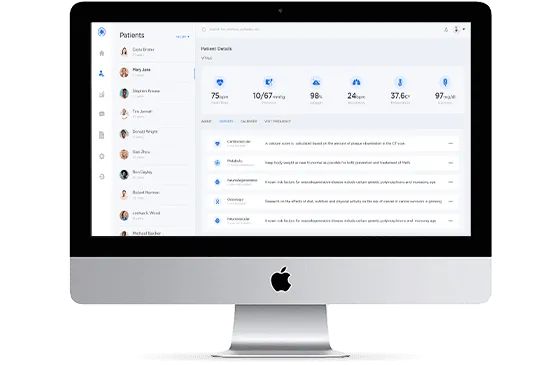
In the digital age of healthcare, EHR integration services serve as the cornerstone of modern medical practice, streamlining patient care, enhancing efficiency, and improving clinical outcomes. However, the seamless integration of EHR systems into existing healthcare workflows remains a significant challenge for many healthcare providers. This is where healthcare software developers play a pivotal role. This article explores the importance of healthcare software developers in EHR integration and the key considerations in developing effective integration software.
The Significance of Healthcare Software Developers:
Healthcare software developers are the architects behind the innovative solutions that drive the digital transformation of healthcare. Their expertise in software engineering, healthcare standards, and regulatory requirements enables them to develop customized solutions tailored to the unique needs of healthcare organizations.
Understanding EHR Integration Software:
EHR integration software facilitates the exchange of data between different healthcare systems, applications, and devices, ensuring seamless interoperability and data flow across the healthcare ecosystem. This integration is essential for optimizing clinical workflows, improving care coordination, and enhancing the quality of patient care.
Key Considerations in Developing EHR Integration Software:
Interoperability Standards: Healthcare software developers must adhere to interoperability standards, such as HL7 (Health Level Seven) and FHIR (Fast Healthcare Interoperability Resources), to ensure compatibility and consistency in data exchange between EHR systems and other healthcare applications.
Data Mapping and Transformation:
EHR integration software requires sophisticated data mapping and transformation capabilities to translate data formats, codes, and terminology between disparate systems. This ensures that data exchanged between different systems remains accurate, consistent, and meaningful.
0 likes · 0 comments
Businessrose fox
1 year ago
Transforming Healthcare Practice Management through Mobile Health (mHealth)
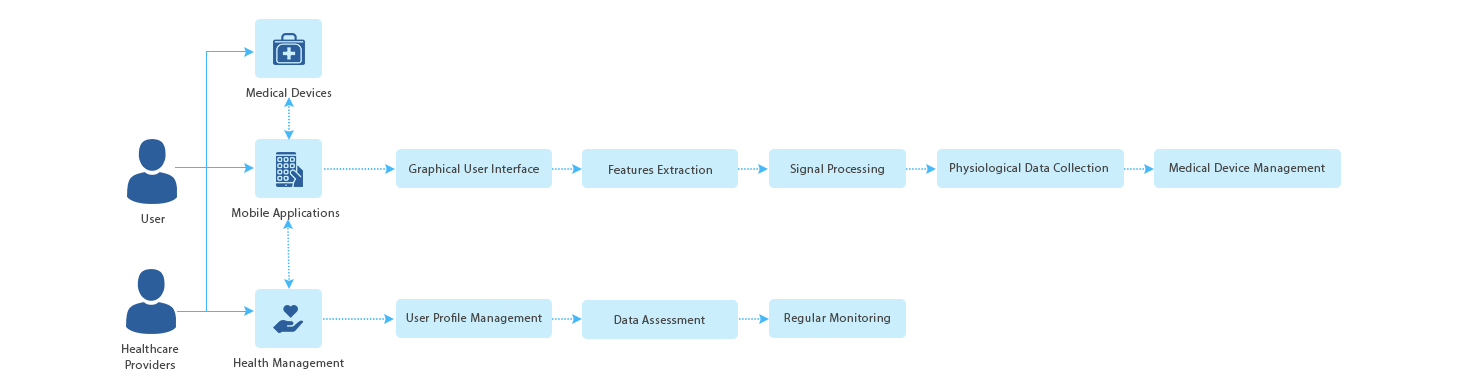
In recent years, the integration of mobile technology into healthcare, known as mobile health or mHealth, has revolutionized the way medical professionals manage their practices. From patient engagement to administrative tasks, mHealth solutions offer a wide range of benefits that enhance efficiency, accessibility, and quality of care. This article explores the impact of mHealth on practice management and how it is reshaping the healthcare landscape.
The Rise of mHealth in Practice Management:
Mobile health encompasses various applications, devices, and technologies that leverage smartphones, tablets, wearables, and other portable devices to deliver healthcare services. In the realm of solutions practice management, mHealth solutions are empowering healthcare providers to streamline administrative processes, improve communication, and enhance patient care delivery.
Key Benefits of mHealth in Practice Management:
Enhanced Patient Engagement: Mobile health apps enable patients to schedule appointments, access medical records, receive reminders, and communicate with healthcare providers conveniently through their mobile devices. This enhances patient engagement, encourages proactive healthcare management, and fosters stronger patient-provider relationships.
Efficient Appointment Scheduling: mHealth solutions offer online appointment scheduling features, allowing patients to book appointments anytime, anywhere. This reduces phone calls, minimizes scheduling errors, and optimizes appointment utilization, leading to improved practice efficiency.
Streamlined Billing and Payment Processes: Mobile billing and payment solutions enable healthcare providers to generate electronic invoices, process payments securely, and track billing activities in real-time. This accelerates revenue cycles, reduces administrative overhead, and enhances financial management within medical practices.
Remote Monitoring and Telemedicine: mHealth devices and telemedicine platforms enable remote monitoring of patients' vital signs, medication adherence, and disease management. This facilitates proactive intervention, reduces hospital readmissions, and extends the reach of healthcare services to underserved populations.
0 likes · 0 comments
Businessrose fox
1 year ago
Navigating Healthcare Efficiency with Allscripts EHR
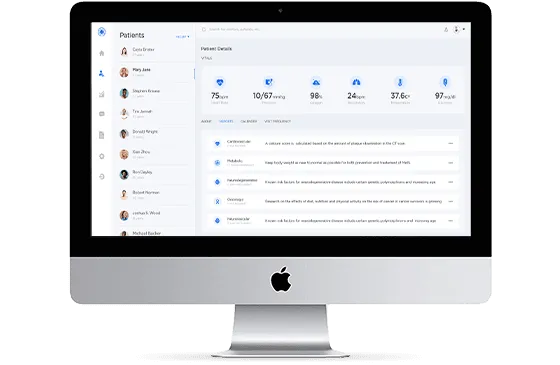
In the modern healthcare landscape, where efficiency, accuracy, and patient-centered care are paramount, Electronic Health Record (EHR) systems have emerged as indispensable tools. Among the leading providers in this realm stands Allscripts, a company dedicated to revolutionizing healthcare delivery through innovative technology. In this article, we delve into the realm of Allscripts EMR, exploring its features, benefits, and the transformative impact it has on healthcare organizations worldwide.
Allscripts EHR is a comprehensive electronic health records solution designed to streamline clinical workflows, enhance patient engagement, and improve outcomes. It serves as a digital repository for patient information, including medical history, diagnoses, medications, treatment plans, laboratory results, and more. With its user-friendly interface and robust functionality, Allscripts EHR empowers healthcare providers to deliver personalized care efficiently and effectively.
Key Features and Benefits:
1. Interoperability: Allscripts EHR is designed to facilitate seamless communication and data exchange across different healthcare systems and providers. This interoperability ensures that pertinent patient information is readily accessible, regardless of the care setting, enabling coordinated care delivery and informed decision-making.
2. Clinical Decision Support: Leveraging advanced algorithms and evidence-based guidelines, Allscripts EHR offers clinical decision support capabilities to assist healthcare providers in making informed decisions at the point of care. From medication alerts to preventive care reminders, these features enhance patient safety and adherence to best practices.
3. Mobility and Accessibility: With the proliferation of mobile devices, Allscripts recognizes the importance of mobility in modern healthcare delivery. Allscripts EHR is accessible via mobile applications, allowing providers to securely access patient records, review test results, and communicate with colleagues anytime, anywhere, thereby enhancing productivity and responsiveness.
4. Patient Engagement: Allscripts EMR systems incorporates patient portal functionality, empowering individuals to take an active role in their healthcare journey. Through secure messaging, appointment scheduling, and access to health information, patients can engage with their care team, leading to improved adherence, satisfaction, and outcomes.
0 likes · 0 comments
Educationrose fox
1 year ago
What is Allscripts EMR System?
Tools for revenue cycle management are available in Allscripts systems to assist medical practices and providers. We can assist providers in taking use of the advantages of RCM systems to automate clinical operations such as billing through connection with Allscripts EHR. Integrating Allscripts EMR system can give medical professionals and personnel insightful information to guarantee the provision of high-quality care. Our staff is capable of managing end-to-end EHR integration software, helping healthcare organisations to enhance billing and coding procedures, lower the A/R cycle, simplify workflows, and minimise problems with reimbursement and collections. Our EHR integration services can assist clients in maximising financial performance and adhering to regulations.
0 likes · 0 comments
BusinessDo you want to manage your own group?
