Unraveling the Mysteries of Protein Structure: The Fold Recognition Service
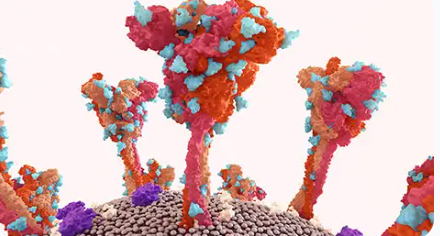
One aspect that fascinates both scientists and the general public is the Fold Recognition Service - a powerful computational tool that helps us decipher the three-dimensional (3D) shapes of proteins. In this article, I aim to shed light on this remarkable service and its significance in the world of molecular biology.
Proteins are the workhorses of the living world, carrying out a vast array of essential functions within cells. These complex macromolecules are composed of long chains of amino acids, folded into intricate 3D structures. The specific shape of a protein is crucial, as it determines its ability to interact with other molecules and carry out its designated tasks. Unraveling the mysteries of protein structure has been a central focus of biological research for decades.
Enter the Fold Recognition Service. This computational tool utilizes advanced algorithms and machine learning techniques to predict the 3D structure of a protein based on its amino acid sequence. The service works by comparing the target protein sequence to a vast database of known protein structures, searching for similarities that can provide clues about the likely 3D fold.
The process begins with the user submitting the amino acid sequence of a protein of interest to the Fold Recognition Service. The service then employs a series of sophisticated algorithms to analyze the sequence and identify potential structural templates. These templates are derived from the Protein Data Bank (PDB), a comprehensive repository of experimentally determined 3D protein structures.
The Fold Recognition Service uses a variety of techniques to identify the most suitable structural template for the target protein. One such approach is called "threading," where the target sequence is aligned with the sequences of known protein structures, and the compatibility of the alignment is assessed. Another method, known as "homology modeling," relies on the principle that proteins with similar sequences often share similar 3D structures.
Once the Fold Recognition Service has identified the most likely structural template, it can then use this information to generate a 3D model of the target protein. This model provides valuable insights into the protein's overall shape, the positioning of key functional domains, and the potential interactions with other molecules.
The significance of the Fold Recognition Service cannot be overstated. By allowing researchers to predict the 3D structure of proteins without the need for time-consuming and expensive experimental techniques, this service has revolutionized the field of structural biology. It has enabled scientists to gain a deeper understanding of protein function, facilitating the development of new drugs, the design of novel enzymes, and the engineering of customized proteins for a wide range of applications.
For example, the Fold Recognition Service has been instrumental in the study of disease-related proteins. By predicting the 3D structures of these proteins, researchers can identify potential binding sites for therapeutic compounds, accelerating the drug discovery process. Similarly, the service has been used to design novel enzymes with improved catalytic efficiency or altered substrate specificity, opening up new avenues for industrial and environmental applications.
Moreover, the Fold Recognition Service has played a crucial role in the field of structural genomics, where scientists aim to determine the 3D structures of all proteins encoded by a genome. By providing rapid and accurate predictions of protein structures, the service has greatly accelerated the pace of this ambitious endeavor, which holds the promise of unlocking a wealth of information about the fundamental biology of living organisms.
Despite its impressive capabilities, the Fold Recognition Service is not without its limitations. The accuracy of the predictions is heavily dependent on the availability of suitable structural templates in the PDB, and the service may struggle with proteins that adopt unique or highly complex folds. Additionally, the computational power required to run these sophisticated algorithms can be a limiting factor, particularly for researchers with limited resources.
Nevertheless, the continued advancements in computational power, machine learning algorithms, and the expansion of the PDB have led to significant improvements in the accuracy and reliability of the Fold Recognition Service. As the field of structural biology continues to evolve, this service is poised to play an increasingly crucial role in our understanding of the intricate world of proteins and their vital functions within living systems.
In conclusion, the Fold Recognition Service is a remarkable tool that has transformed the way we approach the study of protein structure and function. By leveraging advanced computational techniques, this service has enabled researchers to gain unprecedented insights into the 3D shapes of proteins, paving the way for groundbreaking discoveries and innovations in fields ranging from medicine to biotechnology. As we continue to unravel the mysteries of the living world, the Fold Recognition Service will undoubtedly remain a vital and indispensable resource for biologists and scientists alike.
More at
Science and TechnologyArticles from CD ComputaBio
View blog
Prominent within the field of computational biology, CD ComputaBio, unveils its cutting-edge Antibod ...
You may be interested in these jobs
-
Oracle P2P/EBS Technical Analyst
4 days ago
Motion Recruitment Tampa, United StatesJob Title: Oracle P2P/EBS Technical Analyst · Job Type: W2 and local FL candidates allowed. · Duration: 09+ months · Address: Tampa FL · Job Description: · Need someone with testing and configuration experience using Oracle P2P/ Oracle EBS. · 5 to 8 years of experience if they h ...
-

Sales employee
7 hours ago
Direct apply
NovaWorks Solutions Bemiss, United StatesLocation: 85622 Feldkirchen | Contract type: Full/Part-time, permanent | Job ID: 841560 · What you'll be doing with us: · You love it when your guests feel right at home and you can give them your full attention? With ease, you convey to our customers in sales and at the cash reg ...
-
Housekeeper 2nd Shift
1 week ago
Vanguard Resources Edmond, United States**Housekeeper 2nd Shift** · **Department:** Environmental Services: 004 **Location:** Oklahoma City, OK · **Housekeeper - Vanguard Resources** · **Oklahoma City, OK ** · **Vanguard Resources, Inc., *an* *Industry Leader in Facilities Management*, (in operation 20+ years), is ...



Comments