Transcranial Magnetic Stimulation Vs. Electroconvulsive Therapy: Is There A Difference?
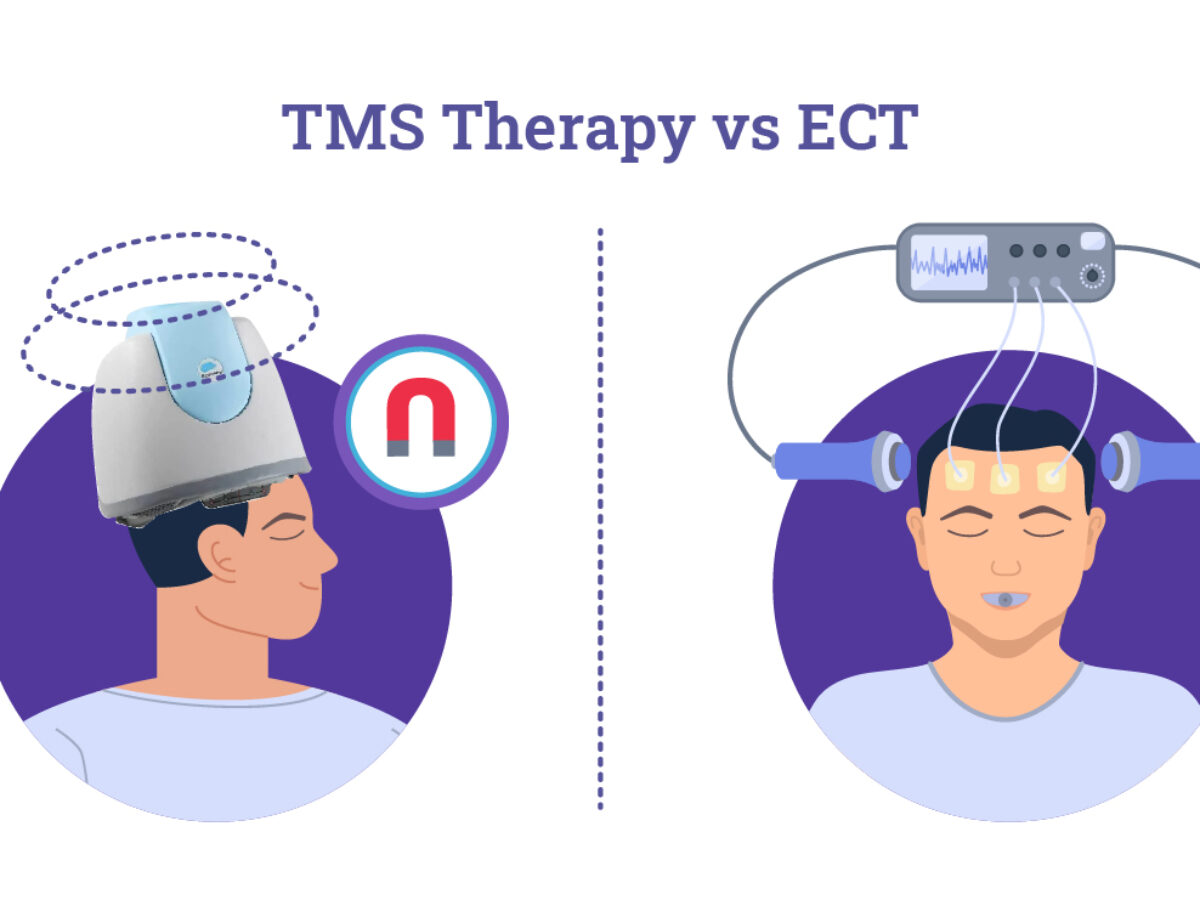
In the realm of mental health treatment, two prominent therapies have made significant strides: Transcranial Magnetic Stimulation (TMS) and Electroconvulsive Therapy (ECT). Both offer hope for patients with various psychiatric conditions, yet they are often misunderstood or conflated. This blog post aims to demystify these therapies, comparing their mechanisms, efficacy, side effects, and more.
The Basics of Transcranial Magnetic Stimulation (TMS) TMS is a non-invasive procedure that uses magnetic fields to stimulate nerve cells in the brain. It involves placing an electromagnetic coil against the scalp near the forehead. The electromagnet painlessly delivers a magnetic pulse that stimulates nerve cells in the region of the brain involved in mood control and depression.
The Basics of Electroconvulsive Therapy (ECT) In contrast, ECT is a procedure where small electric currents are passed through the brain, intentionally triggering a brief seizure. ECT seems to cause changes in brain chemistry that can quickly reverse symptoms of certain mental health conditions. Despite its controversial history, modern ECT is safe and generally administered under anesthesia.
Efficacy and Treatment Course Both TMS and ECT are effective for depression, especially when other treatments have failed. TMS is often used when medication and psychotherapy are not effective, while ECT is typically reserved for severe depression, acute mania, or catatonia. The treatment course for TMS usually involves sessions 5 times a week for 4-6 weeks, whereas ECT involves around 2-3 sessions per week for 2-4 weeks.
Side Effects and Safety Considerations TMS is generally well-tolerated. Its side effects may include headache, scalp discomfort, and lightheadedness. Rarely, it can cause seizures. ECT’s side effects are more profound, including memory loss, confusion, and physical side effects like muscle aches. Both treatments require careful monitoring by trained professionals.
Anesthesia and Hospitalization A significant difference between the two is the use of anesthesia. ECT requires general anesthesia and muscle relaxants to prevent injury during the induced seizure. This necessitates a short hospital stay. TMS, on the other hand, requires no anesthesia and is performed outpatient.
Treatment Considerations When deciding between TMS and ECT, several factors are considered. TMS might be preferred for patients who are wary of the side effects of ECT or have health conditions that make anesthesia risky. ECT might be recommended for patients with severe symptoms or those who require a rapid response, as it often works quicker than
TMS Therapy New Jersey.
Conclusion Both TMS and ECT are valuable tools in the treatment of mental health disorders. Understanding their differences is crucial for patients and practitioners alike in making informed treatment decisions. As research progresses, we hope to see these therapies evolve, offering more effective and accessible options for those in need.
Additional Resources and Call to Action For those seeking more information, numerous resources are available online. Consulting a mental health professional is also advisable for personalized advice. We encourage readers to share their thoughts and experiences related to these treatments, fostering a community of support and knowledge.
Articles from Yuli Fradkin
View blog
Introduction · In a world grappling with a rising tide of mental health challenges, depression stand ...

In today's fast-paced world, prioritizing our mental and physical well-being is essential for leadin ...

Introduction · Living with depression can be an incredibly challenging experience, especially when s ...
You may be interested in these jobs
-
Portfolio Management Analyst
Found in: Lensa US 4 C2 - 4 days ago
CBRE Houston, United StatesPortfolio Management Analyst · Job ID · 163793 · Posted · 19-Apr-2024 · Service line · Advisory Segment · Role type · Full-time · Areas of Interest · Capital Markets · Location(s) · Houston - Texas - United States of America · Are you ready to start an exciting career with CBRE? ...
-

Cleaning staff
Found in: Orion Innovations US - 1 day ago
Direct apply
Cascade Enterprises Parkersburg, IL, United States Freelance**Cleaner (m/f/d) as a part-time job 538€/month (10h/week)** · **Job Description** · H. Ludendorff GmbH is a wholesale company for plumbing and heating. For almost 100 years, in 4 generations, we have been supplying large and small commercial customers with top-quality plumbing, ...
-

Van rental from Carabanchel to Glorieta Valle de Oro n° 4 in Madrid"
Found in: Handyman CS US - 4 days ago
Direct apply
beBee Handyman Mount Hermon, VA, United States FreelanceWe are looking for a van and driver to help transport a 5-drawer chest approximately 2 km in Mount Hermon, VA. I am 75 years old and do not have a car, so I need assistance with the transportation. The objects to be transported are heavy (over 100 kg). The driver will need to hel ...


Comments