

Exploring the Complex Connection: Mental Illness and Alcoholism
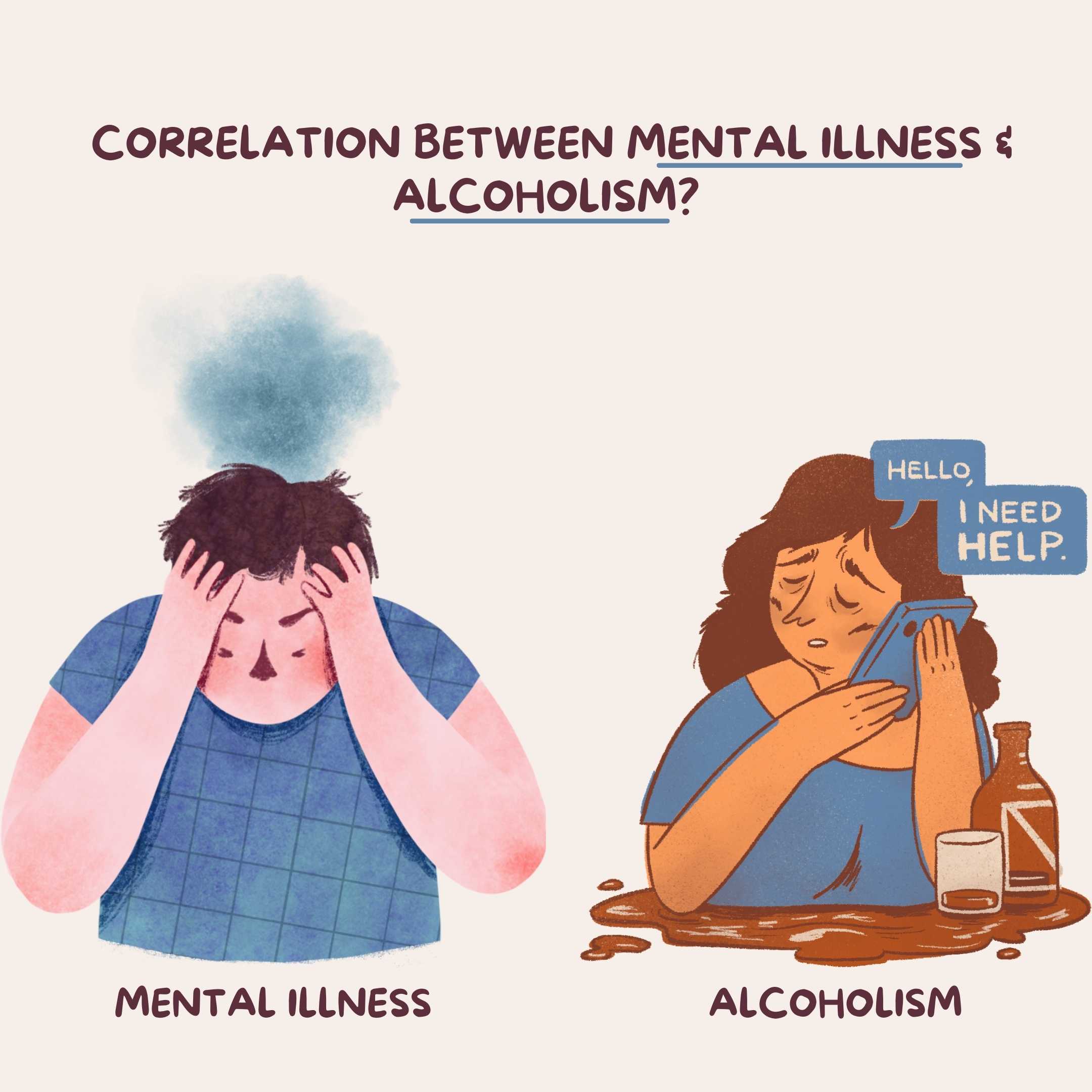
In the intricate tapestry of human health, the interplay between mental illness and alcoholism forms a compelling and often misunderstood connection. As society strives to untangle the web of factors contributing to these two prevalent issues, it becomes imperative to examine whether there exists a correlation between mental health disorders and alcohol dependence. This article aims to delve into the complexities of this relationship, shedding light on the intricate dynamics that bind mental illness and alcoholism.
Understanding Mental Illness and Alcoholism
To comprehend the potential correlation, it is essential to grasp the individual components involved. Mental illness encompasses a broad spectrum of conditions, ranging from anxiety and depression to more severe disorders like schizophrenia or bipolar disorder. On the other hand, alcoholism, or alcohol use disorder, is characterized by an individual's inability to control or stop drinking despite negative consequences.
The Numbers Speak
Statistical evidence provides a starting point for our exploration. Numerous studies have highlighted a higher prevalence of mental health disorders among individuals struggling with alcoholism. According to the National Institute on Alcohol Abuse and Alcoholism (NIAAA), it is estimated that about one-third of individuals with major depression also have an alcohol problem. Conversely, those with alcohol use disorder are at a higher risk of developing mood disorders.
Common Underlying Factors
The correlation between mental illness and alcoholism is not merely coincidental. Instead, both conditions may share common underlying factors that contribute to their coexistence. Genetics, for instance, plays a substantial role, as individuals with a family history of mental health disorders or alcoholism may be more susceptible to both.
Moreover, the impact of neurotransmitters on mental health and alcohol dependence cannot be overstated. Alcohol's influence on brain chemistry can exacerbate existing mental health conditions or act as a form of self-medication, providing temporary relief from symptoms such as anxiety or depression.
Self-Medication or Cause?
One of the most debated aspects of the mental illness-alcoholism correlation is the question of causation. Does mental illness lead to alcoholism, or does excessive alcohol consumption contribute to the development of mental health disorders?
For some individuals, alcohol may become a coping mechanism—a way to alleviate the distressing symptoms of mental illness. This phenomenon, known as self-medication, offers temporary relief but often exacerbates the underlying issues. In turn, chronic alcohol use can lead to chemical changes in the brain, intensifying the severity of mental health disorders.
Conversely, prolonged alcohol abuse can be a catalyst for mental health problems. Alcohol's impact on neurotransmitters, coupled with the stress on the body and brain, may trigger or worsen existing mental health conditions. The cyclical nature of this relationship creates a challenging scenario for diagnosis and treatment.
Dual Diagnosis: Navigating Complexity
The coexistence of mental illness and alcoholism is often referred to as a dual diagnosis or comorbidity. Individuals with a dual diagnosis face unique challenges as the intertwining conditions complicate both diagnosis and treatment. Mental health symptoms may be masked by alcohol use, making it difficult for healthcare professionals to identify the root cause of the issues.
The complexity deepens when considering treatment options. Integrated approaches that address both mental health and alcohol use are crucial for effective recovery. However, the stigma associated with mental illness and alcoholism can create barriers to seeking help, further complicating the path to healing.
Breaking the Stigma
The stigma surrounding mental health and alcoholism perpetuates misconceptions and hinders progress in addressing these issues. Society's tendency to stigmatize those facing mental health challenges or struggling with alcoholism contributes to the reluctance of individuals to seek help.
Education and awareness are powerful tools in breaking down these stigmas. By fostering open conversations, promoting understanding, and emphasizing the importance of seeking professional help, we can create an environment where individuals feel supported and empowered to address both mental health and alcohol-related concerns.
How Alcoholism and Mental Health Issues Take a Toll on Your Family
An often overlooked aspect of alcoholism is its effect on familial relations. A spouse and children are often the first ones to feel the impact and loss from an alcoholic’s addiction. The repercussions can be massive, such as Child Protective Services intervening in your life, a marriage on the rocks that can end in a divorce, and the million other little sufferings that happen in between. You are not the only one suffering, keep that in mind.
Conclusion
In the intricate dance between mental illness and alcoholism, untangling the threads requires a nuanced and comprehensive approach. The correlation between the two is undeniable, with shared genetic, neurobiological, and environmental factors weaving a complex tapestry of interconnected challenges.
Recognizing the dual diagnosis and understanding the potential causative factors are crucial steps toward effective intervention and treatment. By breaking down stigmas, promoting awareness, and advocating for integrated care, we can foster an environment where individuals facing mental health and alcohol-related struggles find the support they need to begin a journey of healing and recovery.
#alcoholaddiction #alcoholrehab #treatment #drugaddiction #mentalhealth
HealthMore posts from Michael Carlucci
View posts
Key Strategies for Personal Injury Lawyer SEO
Michael Carlucci · In today's online world where everyone you see is walking down the street checking their phones, a personal injury law firm’s success can rely heavily on its online visibility. · With ‘everyone and their mother’ searching Google for everything you can imagine, ranking high for s ...

What actually happens when you withdraw from alcohol?
Michael Carlucci · What steps will you go through from detox to withdrawal? · Alcohol addiction is a pervasive issue affecting millions globally. It can cause devastating collateral damage in your life as well. Taking the first step towards recovery demands immense courage, yet it is not devoid of ...

Dual Diagnosis: Addressing Mental Health and Substance Abuse
Michael Carlucci · Dual diagnosis, also known as co-occurring disorders, refers to the concurrent presence of a mental health disorder and substance abuse or addiction. This complex intersection of conditions poses significant challenges for individuals seeking treatment and for healthcare provider ...
Articles from Michael Carlucci
View blog
Which one is right for you? · To begin with… · In the realm of addiction and mental health treatment ...

Introduction · is an increasingly popular option for individuals seeking comprehensive care for addi ...
You may be interested in these jobs
-
Monroe Plan for Medical Care is hiring Care Managers in the Albany area to join our team of dedicated professionals in improving access and quality of healthcare for underserved populations. · ...
Rochester, NY2 months ago
-
Shift Differentials · Monday-Thursday 7p-7a (+$2/hr) · Saturday-Sunday 7a-7p (+$2/hr) · Friday-Sunday 7p-7a (+$3/hr) · Why join Connections · If you're passionate about making a meaningful impact, working in a mission-driven environment, and helping redefine behavioral health cri ...
San Francisco, CA1 week ago
-
We invite you to join us at Connections Health Solutions if you're passionate about making a meaningful impact in behavioral health crisis care. · Welcome individuals with empathy in a low-barrier environment. · Engage participants using motivational interviewing. · ...
San Francisco, CA2 weeks ago
Comments